

Sustained Recovery: They Made It!
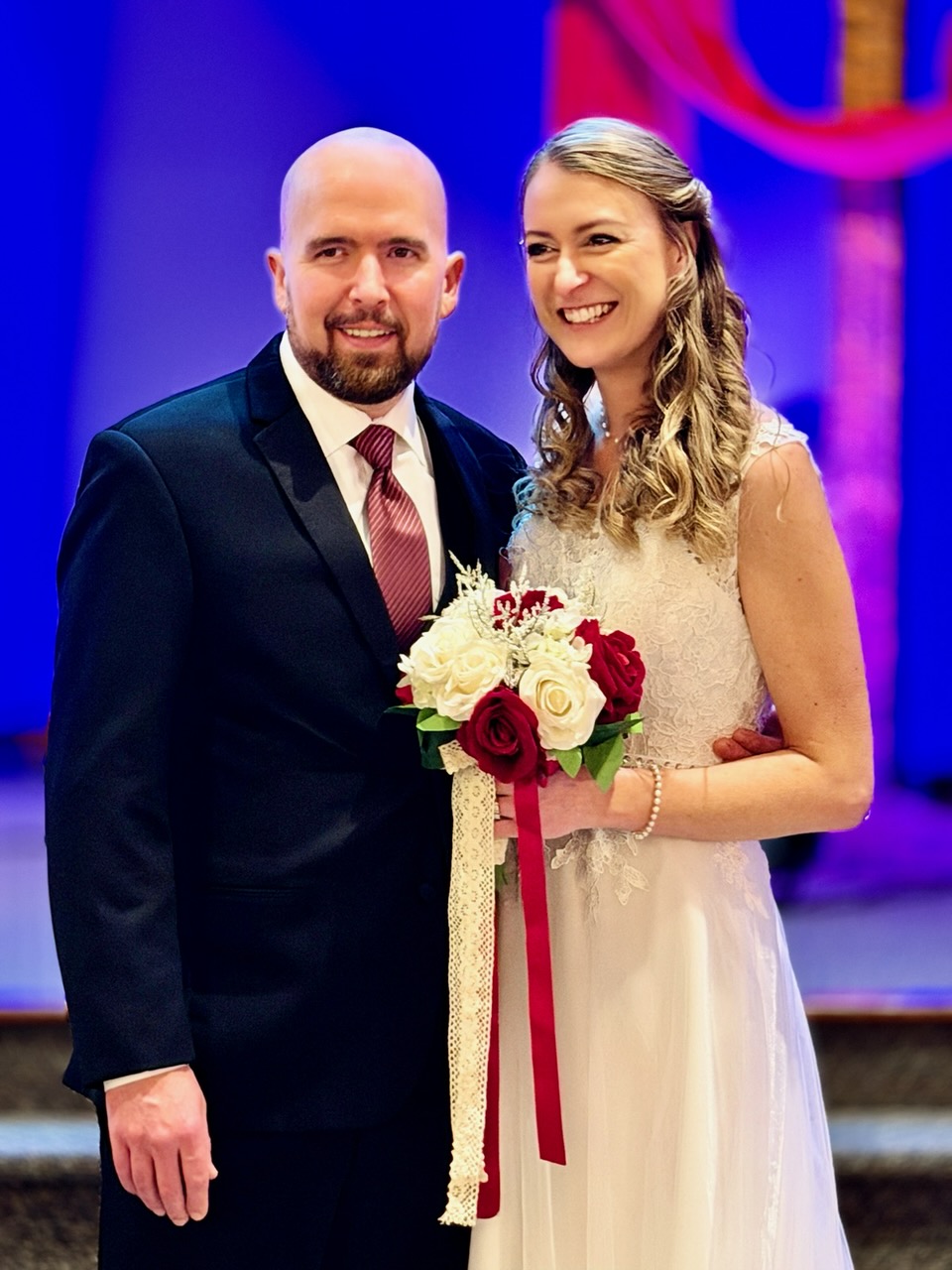 Sometimes we are blessed to see the one we love living in sustained recovery. Not everyone makes it here. Some stay in early recovery for decades, until the end of their lives. But what we hope for is that the addict makes it to this healthy, God-centered place of addiction recovery.
So what is sustained recovery? How is it different from early recovery? After all, in both places, the addict has resisted the temptation to indulge in their addiction. I think the best way to explain the difference is with two stories.
The first is my dad. He drank until he turned 40, when he was at a breaking point and having suicidal thoughts. By God's grace, he saw a vision of the Virgin Mary and never drank again. It was very hard. He fought the urge to drink for many years, going to regular AA meetings. He had a lot of brokenness that needed fixing. He never missed Sunday Mass, but was just a pew-sitter. He was searching for something that would satisfy his longing and fix his brokenness, not realizing that the "something" was God. He chased after new-age answers like Transcendental Meditation and crystals, which would not satisfy him, but he didn't know that. The turning point for him was when he found the right sponsor at AA. This man was always happy, while the rest of the people at AA were miserable. Dad asked the guy, why are you always upbeat, always positive? And the man's response was, God. He knew God, the one true God. The Father, Son, and Holy Spirit. Dad's sponsor introduced him to the writing of Thomas Merton, author of Seven Storey Mountain. Through Merton's writing, Dad realized he was searching for God, and that God was searching for him. This was the beginning of the transition from early recovery to sustained recovery.
The second story to share is about my nephew, Jason. He developed a heroin addiction and was able to break it after many years. It has been twelve years since he used, and in the beginning, he struggled to fight the temptation. He had his own demons, the reasons he needed drugs in his life. In Jason's early recovery, he was still suffering from the wounds of his past. He had relationships, but they were not healthy ones. He was broken, and found other broken people, and that was not good. Jason's turning point was Jesus. When he turned his life over to Jesus, true recovery began. Sustained recovery.
In early recovery, the addict is focused on himself or herself. They know they have to change the people, places, and things to maintain sobriety. Their life revolves around resisting temptation, whatever it takes. It's a challenge when they don't have a deep relationship with God. Their world revolves around what they need to do to keep clean. Their relationships can be very utilitarian. Will this person help me stay on the right path? If not, I don't need them in my life. More than that, I can't have them in my life. At the same time, there is a need for validation, for love. The only one who can love us perfectly, love us as we need to be loved, is Jesus. But the addict keeps looking for another human person to love them, which is why early recovery often lasts so long. They have to stop looking for someone here on Earth and seek the One above. In sustained recovery, they make God the center of their lives.
That's what happened to Jason. He finally stopped looking for a woman to fill his emptiness. He found Jesus. And then Jesus brought a beautiful woman into his life. Someone whom he can love. Someone who loves him. Someone he can be vulnerable with, who is safe. He could not have had this relationship without the healing that came in early recovery and without surrendering his life to Jesus.
Given all that, let's talk about you—about me, those who love the addict. What's happening in our lives during this time?
-
We see in them emotional maturity that was missing before. How do we respond to that? Are we skeptical, wondering if it's an act, or if it will last? Are we jealous because they seem to handle things better than we do? Are we grateful that they have made progress?
-
We see them growing in their faith, talking about God more, spending time in prayer, and going to church. All those things we were trying to get them to do for years. How does that feel? Hopefully, it's relief and joy that they are developing a relationship with Jesus. But maybe they are too bold; they talk too much about Jesus. Maybe we think they are going to the "wrong" church. Maybe we wonder if their zeal for the faith is real or just an act. Maybe they challenge us in our spiritual life and we realize that we've been coasting and haven't gotten closer to God in a long time. Their faith may spur us to a deeper faith.
-
We are offered a peace that we haven't known yet, one where we're no longer on constant high alert, waiting for the fall. Can we receive it? Can we trust it? Can we let our guard down?
-
If there are children in the picture, and you, like me, have been raising their kids, what happens when they want them back? When they are ready to parent again? What if they don't parent like you do? How much "advice" do you give them? How do you help the kids make the transition back to their parent? How do you heal the grief in your heart from the loss of children that may have felt like your own?
Those are some things happening. It's helpful during this time to do a heart check. How are we doing?
-
What am I still trying to control? Why?
-
Where am I still fearful? Where do I feel unsafe? Are those valid fears or left over from the past?
-
What still angers me? Is it residue from past hurts? What is keeping me from releasing that anger and healing my heart, mind, and spirit?
-
What am I struggling to forgive? Do I think there is a way to make that right?
-
Where am I still hurting? What words or actions cut me to the heart and still do?
-
Where am I still feeling guilty? Is this a spiritual attack, or do I have something to confess?
-
Where am I being asked to sacrifice, and am I willing to do that? For example, will I stop drinking because it makes it easier on them, or am I unwilling to sacrifice this because I have already sacrificed so much?
We need to learn a new way of communicating. A person in sustained recovery has made progress in three areas: personal recovery, emotional maturity, and spiritual peace. If our communication patterns still reflect the past, we have work to do. Where are we stuck?
Personal recovery: What hurts are we still nursing? Maybe their addiction triggered something in our past, something painful. For example, if my parents divorced when I was young, I could have an abandonment wound, an unmet need for security and stability. Then, when I get married to an addict, the old abandonment wound is opened up, and even when my husband is in sustained recovery, I can't trust him. It's not just him or his drinking that are a problem. It's more complicated because earlier wounds have not yet healed.
Healing is not complete until we enter heaven, but there is healing in this life. There is no shame in needing healing. It doesn't mean we aren't people of faith. Even people of faith have wounds, have tenderness, have sensitivities. That is the reality of this fallen world we inhabit. So when the addict is in sustained recovery, we want to work on our own healing. There is often more freedom to do that here because we aren't worried so much about them.
Emotional maturity. When the addict is in sustained recovery, they have achieved some emotional maturity. Whereas before they were self-centered, now they can see the needs of others. Before they might have gotten angry in an instant, and now they have patience. What about us? We can see their growing strength and may be tempted to let loose with the pent-up anger of the past. That is not emotional maturity. What we can learn to do is to share our feelings in a healthy way. We can learn to listen to them without judging, without feeling attacked. We can say no when they ask something that we can't or don't want to do. And we don't feel guilty about it. We can say when they are hurtful or inconsiderate or taking advantage of us.
Spiritual Peace. It is possible that you have had spiritual peace throughout the entire addiction journey, but most of us struggle with it. Now, during sustained recovery, it's easier to have peace because the fears that burdened us are gone. Meanwhile, the devil will continue to attack. He will attack our self-image (I'm not good enough.), our image of God (We can't trust Him.), and our image of the addict (Don't forgive. Don't trust.). When these three images are healed and healthy, we, too, are in sustained recovery.
In the book of Acts, Luke describes the healing of Saul, whom God renamed Paul. Saul is told to go to the house of Ananias, who will heal him. Ananias is told to welcome Saul and questions God. "Hey, this is the guy who has been persecuting us. He wants us all dead." And God says, "That's who he was. That's not who he is." Can we receive the new person, this addict we love, the new creation in this state of sustained recovery? The devil tells us no, they don't deserve it. That may be true, but thankfully for us, God doesn't give us what we deserve. He calls us to love and forgive. The question to pray on is, What does forgiveness look like for me?
When the addict is your spouse, they need you to be part of their recovery journey. Together with God, you become a threefold cord. Ecclesiastes 4:12 says, "Though one might be overpowered by another, two can withstand him. And a threefold cord is not quickly broken." My nephew, Jason, expressed it this way: "I think that there is never really an end to recovery. As a heroin, opiate, and cocaine addict, my recovery will always be ongoing. Being involved with Celebrate Recovery and going to church, and having a God-centered marriage and life is key. My wife is my favorite person to go to a meeting with and pray with. God gave me a perfect helper." May you, by the grace of God, be the perfect helper to your spouse.
If you are reading this and your addict is not yet in sustained recovery, you may wonder what you can do to get them there. The sad truth is that we can't because they have to decide to accept and follow Jesus. They have to encounter Jesus and have a personal relationship with Him. He is waiting for them, and we must be patient. God's timing is perfect. Meanwhile, we can become better Christians, more joyful Christians. We can pursue holiness. We can make God the center of our lives, our families, and our work.
The virtue of service
Until this sustained recovery, you have probably been too busy to serve beyond your own family. But things have changed—Praise God! It's time to pray for God to reveal how he wants you to serve now. Is there a way you can serve others who are on the addiction journey? Can you pray for or with someone? Can you listen while someone shares the pain they are suffering because of an addict they love? Maybe your service has nothing to do with addiction. Let God show you what work He has for you now.
St. Philip Neri
St. Philip Neri is our heavenly intercessor for the time of sustained recovery. He was a Catholic priest from Italy in the 1500s. He founded the Congregation of the Oratory, which focused on charitable works. He emphasized personal holiness and direct service to others, and he ministered to the outcasts of society. He was also known for his great joy, which we want to recover in this season. Ask St. Philip to pray that God will reveal his plan for your life now that the addict is in sustained recovery.
If you are in this wonderful season, praise God! To see the one you love transformed by God from an addict in the darkness to a Spirit-filled man or woman is a great gift. It's more than freedom from addiction. It's realizing that the promise of eternal life has been given to them by God. And we are witnesses of that grace. We have seen the goodness of God. God is great. All the time.
Questions for prayer
-
What residue of the past remains in your heart? Why is it hard to let this go?
-
What is God calling you to surrender in this time of sustained recovery?
-
How and who is God calling you to serve?