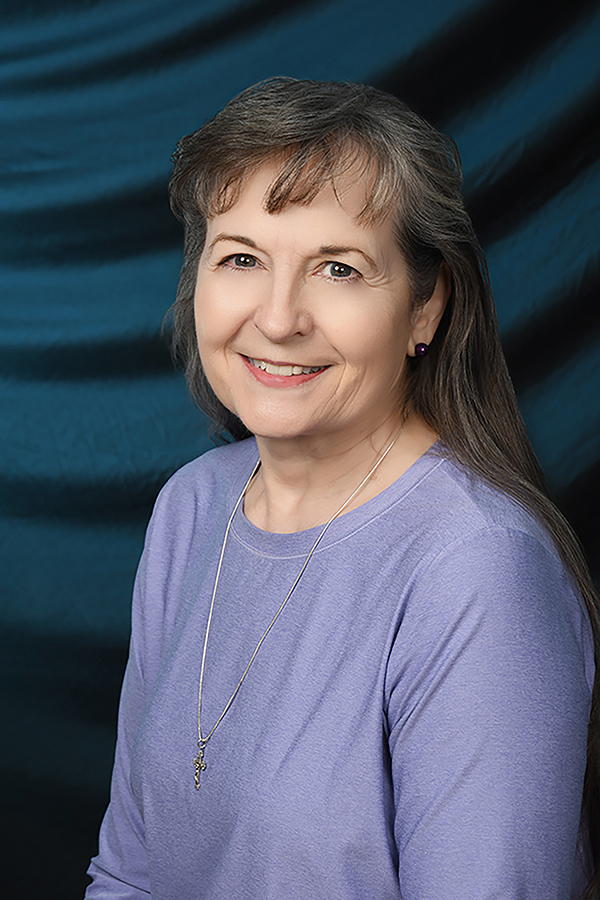
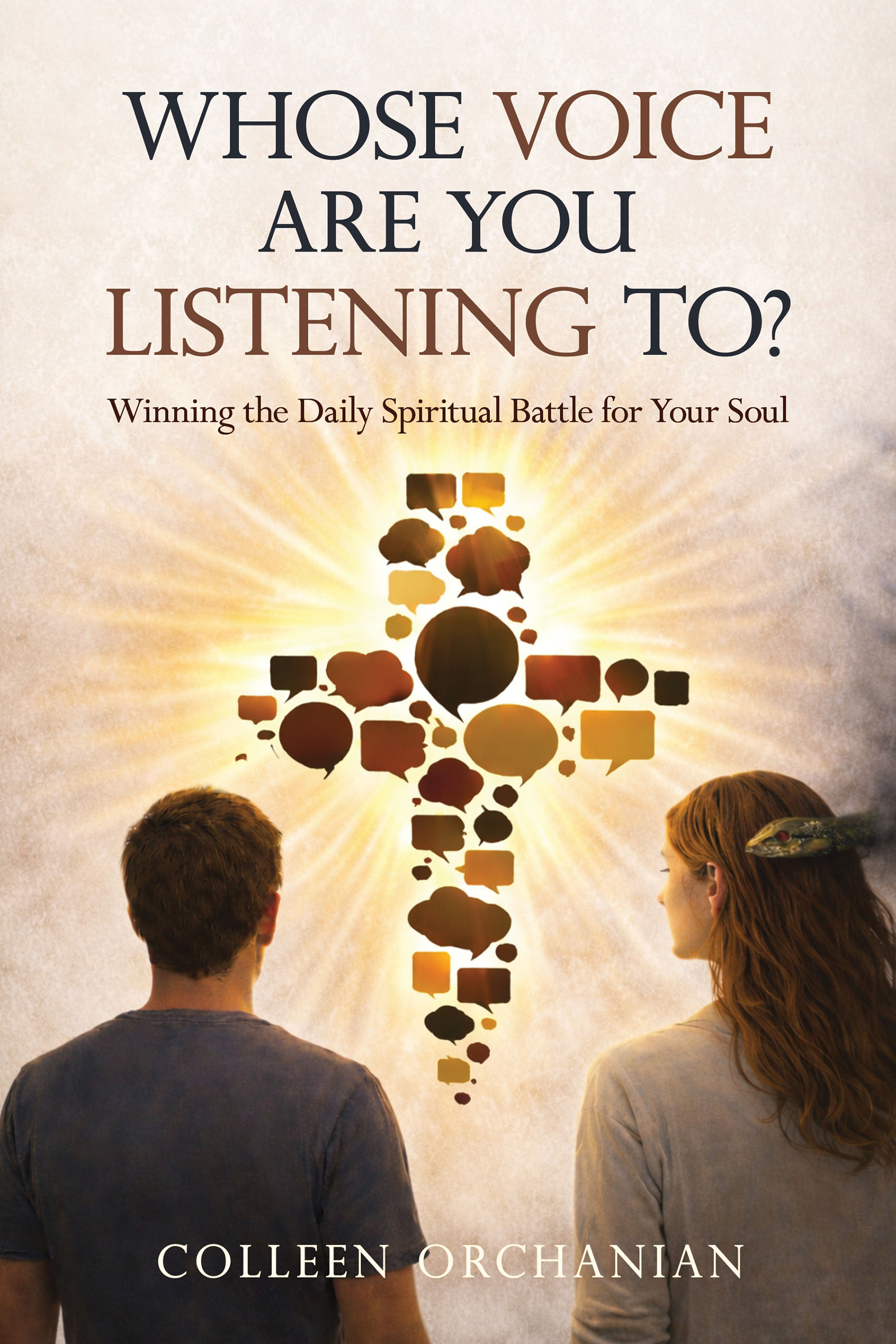
Whose Voice Are You Listening To? is a powerful guide to recognizing and overcoming the spiritual attacks that threaten your peace, purpose, and faith. Drawing on the wisdom of the Church and her many years of experience in ministry, Colleen Orchanian teaches how to identify spiritual attacks and fight back with the help of God's grace.

Which Way Do I Turn?

When we go somewhere unfamiliar, we ask for directions. We want to know which way to turn so that we get to our final destination without getting lost.
In a similar way, in our journey of faith, we make turns along the way. We turn toward God or away from Him. We might turn inward or toward the world. Only one of those turns will take us to our destination. The others are detours, and often dead ends.
Community Matters
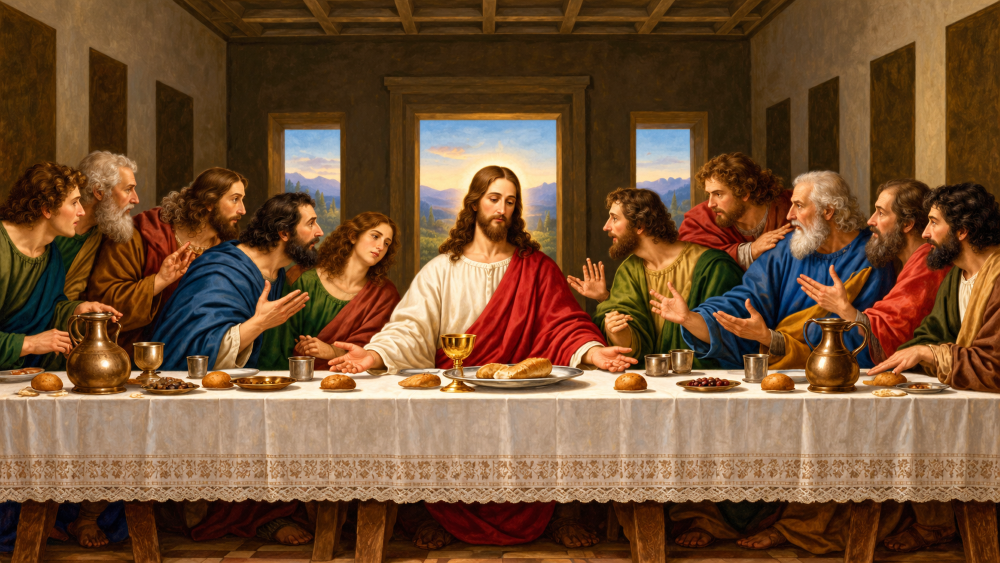
Yesterday was the monthly gathering of Sisters in Faith. I founded the group about 15 years ago to bring together women from different faith traditions to talk about how God is working in our lives and to love on each other and learn from each other. Ultimately, I hoped to break down the walls that separate believers, living the prayer of Jesus at the Last Supper that we may all be one.
Why Isn't the Bible Enough?

Why isn't the Bible enough? That sounds controversial. You might think I'm going to talk about Sola Scriptura and do some apologetics, but that's not the case. This topic came about because I've read a couple of books about near-death experiences recently, and they have helped me imagine heaven and hell in a new way. And that got me wondering why I needed to read about heaven and hell somewhere other than the Bible. Was it a lack of faith or something else?
You Did That On Purpose!

"You did that on purpose!" I've heard that before. My husband once accused me of doing something just to make him angry. I responded, "Yeah. I stay awake at night just thinking of things I can do to annoy you." He laughed at the absurdity of that statement. Sometimes it's true, though, that we think people are doing something on purpose. And not in a good way.
Retreat Blessings
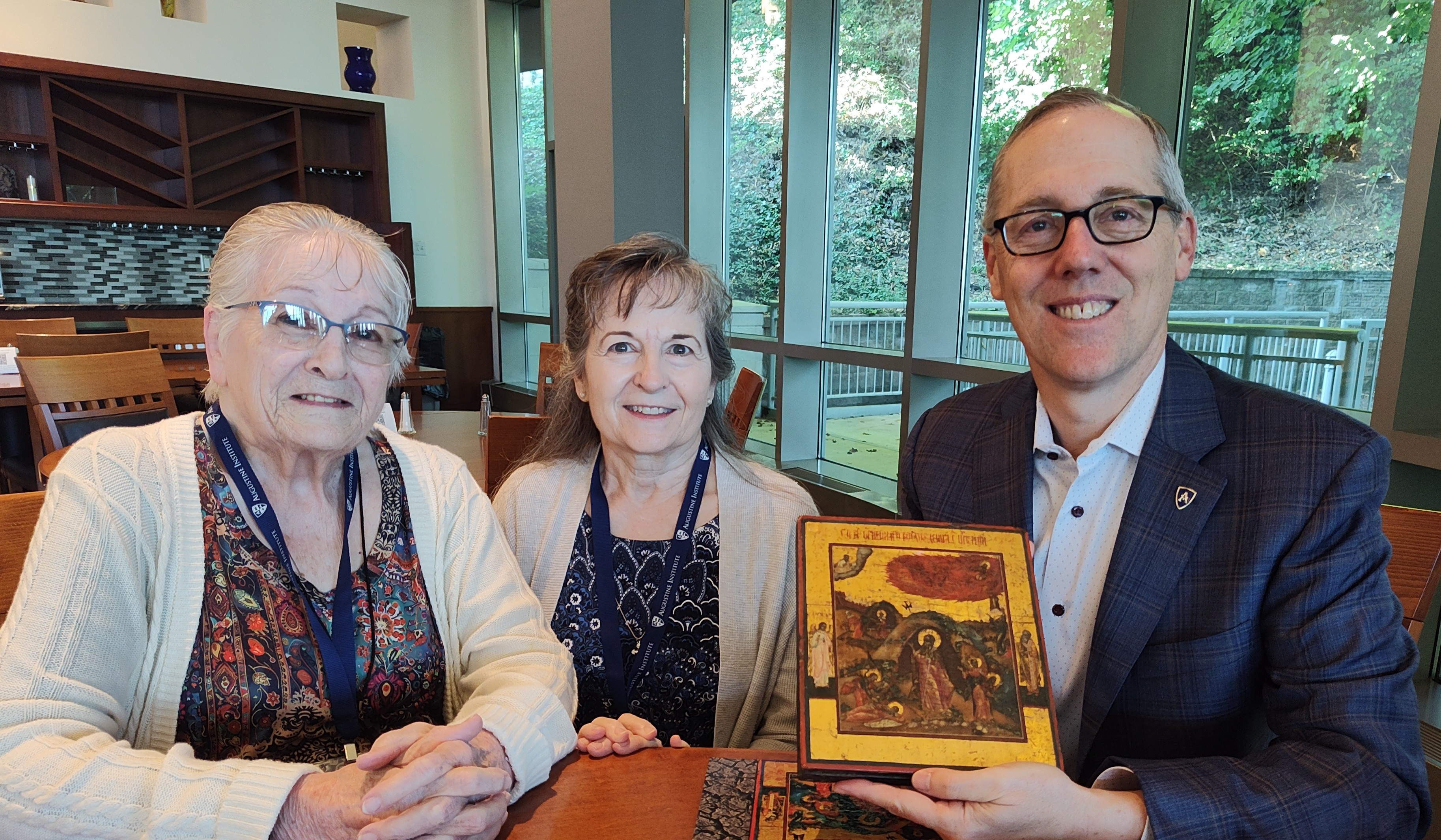
I went on retreat at the Augustine Institute in Florissant, Missouri, last weekend. I wasn't excited about going. It was a long ride—ten hours on a bus each way. The topic wasn't a huge draw for me—Biblical Spirituality for the Laity: The Liturgical Year. That didn't sound all that exciting. And I would be gone from early Friday morning until late on Sunday, leaving my husband to take care of the kids all alone while working. Of course, he is perfectly capable of that, but I know it can be exhausting.